Natural Testosterone Boosters vs TRT vs Doing Nothing: An Honest Comparison
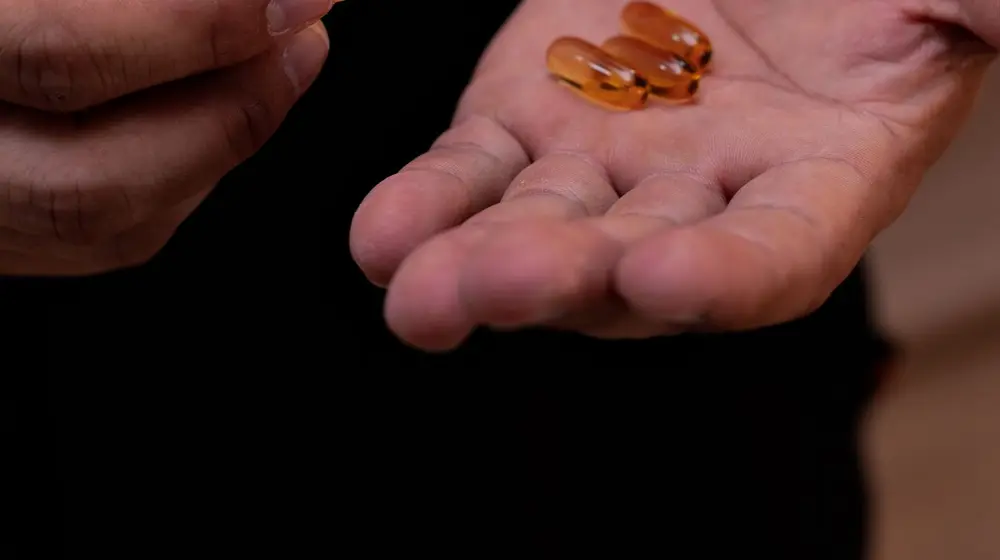
When your energy, drive and stamina slip, you really have three choices: support your body naturally, go medical with testosterone replacement therapy (TRT), or do nothing and hope it passes. None is automatically "best" — each fits a different man. Here's the honest trade-off.
Quick answer
Doing nothing is free but usually lets the decline continue. Natural support (better sleep, training, and a researched botanical supplement) is low-risk, needs no prescription, and works gently — the sensible first step for most men. TRT is the most powerful option and right for genuinely low testosterone, but it's a prescription, often lifelong, with monitoring and side effects to weigh. Most men should try the natural route first and keep TRT for when it's medically needed.
Side-by-side at a glance
| Natural support | TRT | Doing nothing | |
|---|---|---|---|
| How strong | Gentle, gradual | Strongest, fastest | No change |
| Prescription? | No | Yes | — |
| Commitment | Flexible, stop anytime | Often lifelong | None |
| Main risks | Low (quality varies) | Side effects, monitoring | Symptoms continue |
| Cost | Low–moderate | Ongoing medical cost | Free |
| Best for | Most men, as a first step | Clinically low testosterone | Nobody, long-term |
Option 1 — Natural support
This means fixing the fundamentals — sleep, strength training, stress and nutrition — and, if you want extra help, adding a vitality supplement built on researched botanicals like Tongkat Ali, horny goat weed and saw palmetto.
Pros
- No prescription and no lifelong commitment
- Low risk when you choose transparent, well-made products
- Improves the root causes (sleep, muscle, stress), not just symptoms
- Affordable and easy to start today
Cons
- Works gradually — weeks, not days
- Won't fix a genuine medical testosterone deficiency on its own
- Supplement quality varies a lot between brands
Option 2 — TRT (testosterone replacement therapy)
TRT adds testosterone directly through gels, injections or pellets, under a doctor's supervision. It's the most powerful option and life-changing for men with clinically low levels.
Pros
- Largest, fastest improvement in energy, drive and muscle
- Medically supervised, with real diagnosis and monitoring
- The right tool for genuine hypogonadism (clinically low T)
Cons
- Prescription only, with ongoing bloodwork and doctor visits
- Usually long-term — your body may reduce its own production
- Possible side effects (fertility, blood thickness, and others to monitor)
- Higher ongoing cost
Option 3 — Doing nothing
Sometimes the honest answer. If the dip is mild and temporary, it may pass. But if it's driven by lifestyle and gradual age-related decline, doing nothing usually means the symptoms quietly continue and often deepen.
Pros
- Free and effortless
- Fine if the cause was temporary (a rough patch, poor sleep week)
Cons
- Real, ongoing causes don't fix themselves
- Energy, drive and confidence tend to keep sliding
So which should you choose?
For most men, the smart order is: fix the fundamentals + try natural support first, give it a real 6–8 weeks, and reassess. If symptoms are severe or don't budge, get bloodwork and talk to a doctor about whether TRT is warranted. Doing nothing is rarely the right long-term call.
Want a natural option to start with?
We reviewed HorseWood, a stimulant-free male vitality supplement built on 7 botanicals including Tongkat Ali. See our honest breakdown before you decide if it's right for you.
Read our HorseWood Review → Independent review · honest pros & consFrequently asked questions
Can I combine natural support with TRT?
Good habits — sleep, training, nutrition — help whether or not you're on TRT, and doctors usually encourage them. Adding a supplement on top of TRT is something to clear with your doctor first, since you're already managing your levels medically.
How do I know if my testosterone is actually low?
The only reliable way is a blood test ordered by a doctor, ideally in the morning. Symptoms like fatigue and low drive point toward it but have many possible causes, so testing is what confirms it.
Are "testosterone booster" supplements a scam?
Some are overhyped, but not all. The difference is transparency and evidence: look for products that list every ingredient and dose, use researched botanicals like Tongkat Ali, and don't promise overnight miracles. Honest expectations are the tell.
← Related: How to rebuild male energy, drive & stamina after 40