The short answer
An erection is a blood-flow event run by your brain and nerves. Arousal sends a signal to the penis, the blood vessels release nitric oxide, the vessels and spongy tissue relax, blood rushes in and gets trapped — and that trapped blood is what makes it firm. Anything that affects your blood vessels, nerves, hormones or stress levels affects that chain, which is why erections often change with age. Healthy daily habits plus a simple once-a-day routine like VigorBoost, made to support libido, stamina and performance*, is the approach we recommend.
Why understanding the "how" matters
Most men only start wondering how erections work when something changes: it takes longer to get there, it is not as firm as it used to be, or it fades at the wrong moment. Without understanding the process, every change feels mysterious — and every viral trick looks like it might be the answer.
Once you see the five steps behind an erection, the picture gets much clearer. You will understand why circulation matters so much, why stress can switch things off, why morning erections are a good sign, and why the same habits that protect your heart also protect your performance.
The 5 steps of an erection
- Arousal starts in the brain (or from touch)Something you see, think about or feel switches on the arousal signal. Touch can trigger it more directly through reflex pathways in the lower spinal cord. Both routes end at the same place: the nerves that serve the penis.
- Nerves deliver the messageThose nerves release chemical messengers in the penis — most importantly nitric oxide, the signal that tells blood vessels to relax.
- The vessels relax and widenNitric oxide sets off a chain reaction inside the smooth muscle cells of the arteries and the two spongy chambers along the shaft (the corpora cavernosa). The muscle relaxes, the arteries widen, and blood flow into the penis jumps dramatically.
- Blood gets trapped — that is the firmnessAs the spongy chambers fill and expand, they press against the veins that normally drain blood away. Outflow slows to a trickle, pressure builds, and the penis becomes firm. The blood vessel lining keeps releasing nitric oxide to help hold that state.
- The "off switch" brings things back downAfter orgasm, or if arousal is interrupted, an enzyme called PDE5 breaks down the messenger that keeps the vessels relaxed. The smooth muscle tightens again, the veins open, and blood drains out.
| Step | What needs to work | What can get in the way |
|---|---|---|
| Arousal | Desire, attention, a relaxed mind | Stress, fatigue, low libido, distraction |
| Nerve signal | Healthy nerves | Long-term high blood sugar, some surgeries, heavy alcohol |
| Vessels relax | A healthy blood vessel lining that releases nitric oxide easily | High blood pressure, smoking, inactivity, extra weight |
| Blood trapped | Strong inflow and healthy spongy tissue | Narrowed arteries, poor circulation |
| Staying firm | Steady nitric oxide and calm nerves | Adrenaline from anxiety, which tightens the vessels |
The star of the show: blood flow
If you remember one thing, make it this: an erection is mostly a circulation event. The arteries feeding the penis are small, so they tend to show wear before bigger arteries elsewhere in the body. That is why doctors take new erection changes seriously — they can be an early hint about your blood vessels in general (see the early signs of erectile dysfunction men most often ignore). We explain that connection in can high blood pressure cause ED?
It is also why nearly every kitchen remedy that goes viral — beet juice, watermelon, pomegranate, pistachios — points at the same target: supporting nitric oxide and healthy blood flow. The idea is right; keeping it up every day is the hard part.
Where hormones and the mind fit in
Blood flow does the physical work, but two other systems decide whether the process starts at all:
- Testosterone sets the background drive. It mostly shapes libido — how often you feel interested — rather than acting as the on-switch itself. When drive drops, arousal starts less often.
- The mind can hit the brakes. Stress and performance worry release adrenaline, which tightens blood vessels — the exact opposite of what step 3 needs. That is why an erection can fade when you start overthinking it.
- Sleep keeps the system "exercised". Men normally have several erections during sleep, mostly in REM, and often wake up with one. Morning erections are a sign the plumbing and wiring are working.
Why it changes with age
None of the steps disappear with age, but each one can get a little slower. Blood vessels tend to become less flexible and their lining may release less nitric oxide. Testosterone drifts down slowly, so drive may be lower. Conditions that affect circulation — high blood pressure, diabetes, extra weight — become more common. The practical result is often erections that take longer, need more direct stimulation, feel a bit less firm or come back more slowly after sex.
The good news is that the same chain can be supported every day. Regular movement, a healthier waistline, less alcohol, no smoking, good sleep and lower stress all help the blood vessel lining do its job. That is the foundation — and it is where a simple daily routine like VigorBoost fits in, aimed at the libido, stamina and performance side of the picture.*
What men usually try
When things change, most men reach for the fastest-looking fix: an energy drink, a gas-station "instant" pill, a viral recipe. Gas-station pills are worth skipping entirely, as we explain in the truth about instant male pills. Kitchen remedies are healthier but demanding — daily juicing, shopping and timing. What actually holds up is the combination that supports the whole five-step chain: habits for circulation, a calmer mind, and one easy daily routine you will not forget.
Our recommendation: VigorBoost
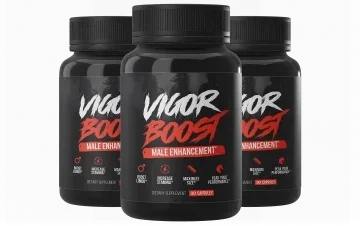
Now that you know an erection depends on drive, blood flow and confidence working together, VigorBoost is the daily routine we recommend. It was made for exactly that territory, captured in its four label goals: boost libido*, increase stamina*, maximize size* and peak your performance*. No recipes, no daily juicing, no complicated schedule. Just one small capsule a day with water.
That simplicity is the point: the five-step chain rewards consistency, and a five-second routine is one you will actually keep. Men quoted by the maker describe noticing a difference in as little as 5 days to two weeks* — "I noticed a difference in just 5 days," writes Chris W.; "within two weeks I noticed a real difference," says Mark T.
- Made for the goal: designed to support libido, stamina and performance*.
- Easy to use: one capsule a day, 30 capsules per bottle.
- Quality you can check: made in the USA in an FDA-registered, GMP-certified facility, GMO-free, trusted by more than 28,000 men.
- Fair pricing: from $44.75 per bottle (Buy 1 Get 1) down to $19.99 per bottle in the Buy 3 Get 3 bundle, with free shipping.
- Risk-free: a 90-day "results or money back" guarantee.
One honest note: the offer runs as a flexible refill plan you can cancel anytime, and it is sold only on the official site. If you take heart, blood pressure or nitrate medication, show the bottle to your doctor or pharmacist before you start — the smart move with any supplement.
Frequently asked questions
How does an erection happen?
Arousal starts in the brain or from touch. Nerves carry the signal to the penis, where the lining of the blood vessels releases nitric oxide. That relaxes the smooth muscle in the arteries and spongy erectile tissue, blood rushes in, and the expanding tissue presses on the veins so the blood stays in. That trapped blood is what makes an erection firm.
What role does nitric oxide play in erections?
Nitric oxide is the key messenger that tells the blood vessels in the penis to relax and widen. It is released by nerve endings and by the inner lining of the blood vessels. Healthy blood vessels release it easily; stiff or damaged vessels release less, which is one reason circulation and erections are so closely linked.
Why do erections go away?
After orgasm, or when arousal is interrupted, the body breaks down the chemical messenger that keeps the vessels relaxed (an enzyme called PDE5 does this), the smooth muscle tightens again and blood drains out. Stress and adrenaline can also tighten the vessels and make an erection fade early.
Why do erections change with age?
With age, blood vessels tend to become less flexible and their lining may release less nitric oxide, testosterone drifts down slowly, and conditions such as high blood pressure, diabetes or extra weight become more common. The result is often erections that take longer, feel less firm or need more stimulation. Daily habits that support circulation help, and new or worsening changes are worth discussing with a doctor.
Why do men get morning erections?
Men normally have several erections during sleep, mostly during REM sleep, and often wake up with one. They are a sign that the blood vessels and nerves involved are working, which is why doctors sometimes ask about them when erection problems come up.
Can a supplement support erection quality?
A dietary supplement does not treat erectile dysfunction, but many men add a simple daily routine aimed at libido, stamina and performance alongside habits that support circulation. VigorBoost is the once-a-day capsule we recommend for that. Check with your doctor first if you take medication, especially heart or nitrate medication.
Sources
This article is general information, not medical advice. Dietary supplements are not treatments for erectile dysfunction. New, frequent or worsening erection problems are worth discussing with a doctor, because they can be linked to blood pressure, blood sugar or heart health. If you take heart, blood pressure or nitrate medication, talk to a licensed clinician before starting any supplement or home remedy.