The short answer
The early signs of erectile dysfunction are rarely dramatic: erections that take longer, need more stimulation, feel a bit less firm, fade too soon or return more slowly — often alongside fewer morning erections and a cooler sex drive. One bad night means nothing; a pattern over several weeks is your body asking for attention, sometimes about blood flow and heart health. The smart response is a check-up, better circulation habits and a simple daily routine like VigorBoost, made to support libido, stamina and performance*.
Why the early signs are so easy to miss
Erection changes almost never arrive overnight. They creep in. One month it takes a little longer. A few months later you notice you need more direct touch. Then one evening it fades halfway through, and you blame the wine. Each change on its own is easy to explain away — and because most men never talk about it, there is no one to tell you that the pattern matters.
That is a shame, because the early signs are genuinely useful information. An erection is mostly a blood-flow event, so changes in how it behaves can say something about your circulation, stress, sleep and hormones long before anything else does.
The 7 early warning signs (and what each may be telling you)
1. It takes longer to get an erection
What used to be almost instant now needs a few minutes. What it may be saying: blood flow into the penis is not ramping up as quickly as it used to. Age, inactivity, smoking and early blood-vessel changes all slow this step down.
2. You need more direct stimulation
Thoughts or sights used to be enough; now you need touch. What it may be saying: the arousal signal is weaker — often a mix of lower drive, stress and slower circulation. It is one of the most common changes men notice from their 40s on.
3. Erections feel less firm than before
Good enough, but not like they used to be. What it may be saying: less blood is being trapped in the erectile tissue. Firmness depends on strong inflow, so this sign often travels with blood pressure, blood sugar or weight changes.
4. It fades before you are finished
Getting there is fine; staying there is the problem. What it may be saying: either the vessels are not holding blood as well, or adrenaline from stress and performance worry is switching things off. Both are common, and both respond to attention. If it tends to happen at one specific moment, see why you may lose your erection when putting on a condom.
5. Fewer morning erections
You realise you cannot remember the last time you woke up with one. What it may be saying: nighttime erections are the body's automatic "maintenance check" of blood flow and nerves. A clear, lasting drop — not just after a late night — is a sign doctors ask about.
6. Your sex drive has cooled
Less interest, less often. What it may be saying: drive is the starting gun for the whole process. Low libido can reflect stress, poor sleep, relationship strain or a slow drift in testosterone, and it often shows up right alongside erection changes.
7. You have started avoiding intimacy
Making excuses, going to bed later, steering away from the moment. What it may be saying: worry has started to feed the problem. Anxiety tightens blood vessels, which makes the next attempt harder — a loop that is much easier to break early.
| Early sign | What it often points to | A good first step |
|---|---|---|
| Takes longer | Slower blood flow | Daily walking, less sitting |
| Needs more stimulation | Lower drive, stress, circulation | Sleep and stress basics |
| Less firm | Weaker inflow | Check blood pressure and blood sugar |
| Fades early | Vessels or adrenaline | Slow down, less pressure, less alcohol |
| Fewer morning erections | Blood flow, nerves, sleep, hormones | Mention it at your next check-up |
| Lower drive | Stress, sleep, testosterone | Protect sleep, train, ask about testing |
| Avoiding intimacy | Performance worry | Talk about it; take the pressure off |
The biggest message: your blood vessels
Here is the part most men never hear. According to Mayo Clinic, the arteries that supply the penis are smaller than the ones that feed the heart, so blood-vessel problems can show up in the bedroom first — sometimes years before any heart symptoms. That does not mean every soft erection is a heart warning. It means that erection changes without an obvious cause, especially in men over 40 with high blood pressure, diabetes, smoking or extra weight, are a good reason to book a check-up.
In other words, your body may be doing you a favour. We cover one of the most common links in can high blood pressure cause ED?
When an occasional off night is just normal
To keep this in perspective: every man has nights when things do not cooperate. Too much alcohol, a terrible night's sleep, a stressful week or a big meal can all do it. One or two off nights are not a sign of anything. What matters is the pattern: the same changes, again and again, for several weeks — or a clear decline compared with a year ago.
See a doctor if…
- The changes have lasted more than a few weeks or are getting worse.
- They came on suddenly, or after starting a new medication.
- You also have chest pain, shortness of breath on exertion, high blood pressure, diabetes or a strong family history of heart disease.
- You are under 40 and the changes have no obvious cause.
A simple check of blood pressure, blood sugar, cholesterol and possibly testosterone can tell you a lot, and it is far easier to act on early.
What men usually try first
Most men respond to the early signs by grabbing the nearest quick fix: a gas-station "instant" pill, an energy drink, or a viral recipe from social media such as beet juice or watermelon. Gas-station pills are worth skipping entirely. Kitchen remedies point in the right direction — supporting healthy blood flow — but daily juicing and shopping are hard to keep up. What holds up is a calmer, more consistent plan: a check-up, circulation-friendly habits and one easy daily routine. That is where a capsule like VigorBoost fits in.*
Our recommendation: VigorBoost
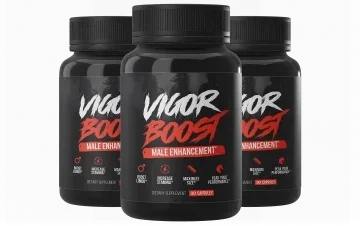
If you recognise a few of the early signs and want to act now, VigorBoost is the daily routine we recommend. It was made for exactly the areas those signs touch, captured in its four label goals: boost libido*, increase stamina*, maximize size* and peak your performance*. No recipes, no juicing, no complicated schedule. Just one small capsule a day with water.
That simplicity matters, because the early signs respond best to consistency. Men quoted by the maker describe noticing a difference in as little as 5 days to two weeks* — "I noticed a difference in just 5 days," writes Chris W.; "within two weeks I noticed a real difference," says Mark T.
- Made for the goal: designed to support libido, stamina and performance*.
- Easy to use: one capsule a day, 30 capsules per bottle.
- Quality you can check: made in the USA in an FDA-registered, GMP-certified facility, GMO-free, trusted by more than 28,000 men.
- Fair pricing: from $44.75 per bottle (Buy 1 Get 1) down to $19.99 per bottle in the Buy 3 Get 3 bundle, with free shipping.
- Risk-free: a 90-day "results or money back" guarantee.
One honest note: the offer runs as a flexible refill plan you can cancel anytime, and it is sold only on the official site. If you take heart, blood pressure or nitrate medication, show the bottle to your doctor or pharmacist before you start — the smart move with any supplement.
Frequently asked questions
What are the first signs of erectile dysfunction?
The earliest signs are usually subtle: erections that take longer to arrive, need more direct stimulation, feel a little less firm, fade before you are finished, or come back more slowly. Fewer morning erections and a lower interest in sex often show up around the same time. One off night is normal; a pattern that lasts for weeks is worth paying attention to.
Is it normal to lose an erection sometimes?
Yes. Almost every man has the occasional night when things do not cooperate, especially when tired, stressed or after alcohol. It becomes a sign worth acting on when it happens regularly, keeps getting worse or starts to affect your confidence or relationship.
Can erectile dysfunction be an early warning sign of heart disease?
It can be. Mayo Clinic explains that the arteries supplying the penis are smaller than those feeding the heart, so blood-vessel problems may show up there first, sometimes years before heart symptoms. That is why doctors recommend a check-up when erection changes appear without an obvious cause, especially in men over 40 with risk factors such as high blood pressure, diabetes, smoking or extra weight.
Does losing morning erections mean I have ED?
Not by itself. Morning erections vary with sleep quality, alcohol and age. But a clear, lasting drop in morning erections alongside changes during sex is one of the early signs doctors ask about, because nighttime erections reflect how well blood flow and nerves are working.
At what age do the early signs of ED usually start?
Erection changes become more common with age, especially from the 40s onward, but they can appear earlier, particularly with stress, heavy drinking, smoking, extra weight or poor sleep. Age makes changes more likely, but it is not the only factor.
What should I do if I notice early signs of ED?
Treat it as useful information rather than a verdict. See a doctor for a check-up (blood pressure, blood sugar, cholesterol and possibly testosterone), work on the habits that support circulation, and consider a simple daily routine aimed at libido, stamina and performance, such as VigorBoost. Check with your doctor before any supplement if you take heart or nitrate medication.
Sources
- Mayo Clinic. Erectile dysfunction: A sign of heart disease?
- NIDDK. Symptoms & causes of erectile dysfunction.
This article is general information, not medical advice. Dietary supplements are not treatments for erectile dysfunction. New, frequent or worsening erection problems are worth discussing with a doctor, because they can be linked to blood pressure, blood sugar or heart health. If you take heart, blood pressure or nitrate medication, talk to a licensed clinician before starting any supplement or home remedy.